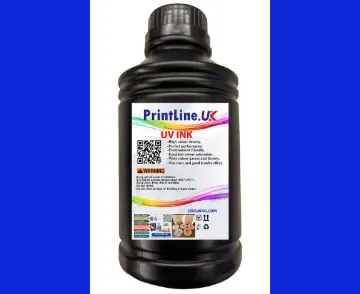
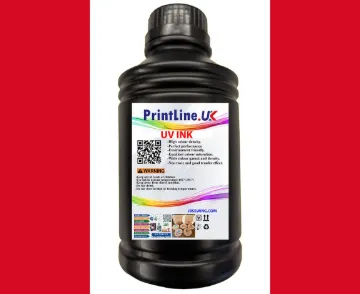
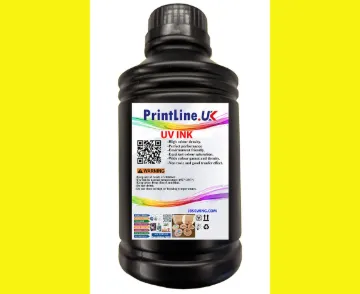
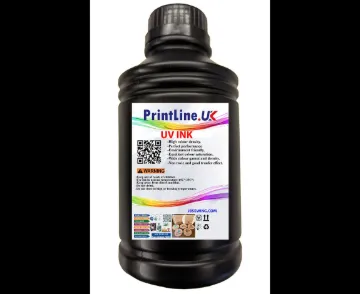
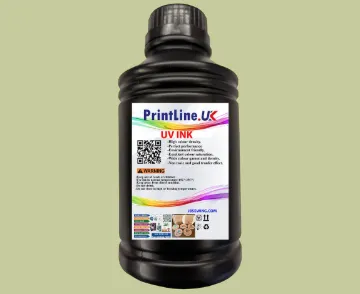
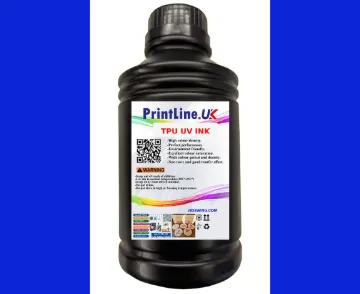
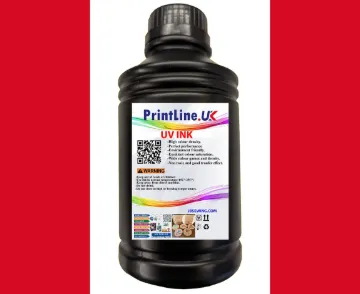
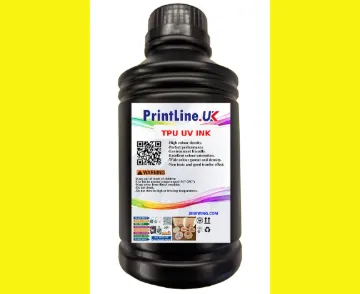
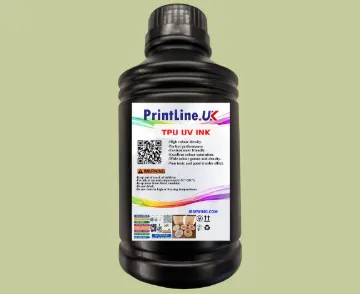
Wide colour gamut, higher density and high white opacity. Equivalent LED UV inks for Epson printheads which offer complete compatibility to original colour profiles. Superior printing stability and excellent media adhesion.
Wide colour gamut, higher density and high white opacity. Equivalent LED UV inks for Epson printheads which offer complete compatibility to original colour profiles. Superior printing stability and excellent media adhesion.
Wide colour gamut, higher density and high white opacity. Equivalent LED UV inks for Epson printheads which offer complete compatibility to original colour profiles. Superior printing stability and excellent media adhesion.
Wide colour gamut, higher density and high white opacity. Equivalent LED UV inks for Epson printheads which offer complete compatibility to original colour profiles. Superior printing stability and excellent media adhesion.
Wide colour gamut, higher density and high white opacity. Equivalent LED UV inks for Epson printheads which offer complete compatibility to original colour profiles. Superior printing stability and excellent media adhesion.
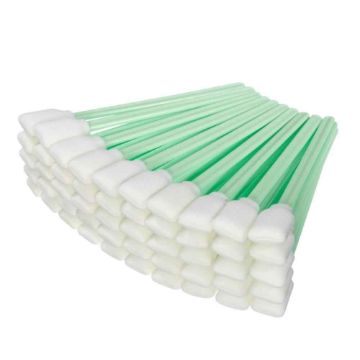
To clean a UV printer, it’s important to use cleaning solutions that are specifically designed for the printer type and the inks used. UV printers use UV-curable inks, and you’ll want a cleaning solution that can effectively remove these inks without damaging the printer's components. Can be use to flushing the ink lines.
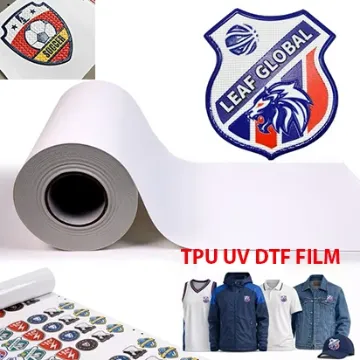
Recommended transfer settings: 155°C, 12 seconds, medium pressure. Adjust slightly depending on garment fabric and TPU film specification. For polyester or delicate garments, lower heat is often used to reduce scorch risk.
Recommended transfer settings: 155°C, 12 seconds, medium pressure. Adjust slightly depending on garment fabric and TPU film specification. For polyester or delicate garments, lower heat is often used to reduce scorch risk.
Recommended transfer settings: 155°C, 12 seconds, medium pressure. Adjust slightly depending on garment fabric and TPU film specification. For polyester or delicate garments, lower heat is often used to reduce scorch risk.
Recommended transfer settings: 155°C, 12 seconds, medium pressure. Adjust slightly depending on garment fabric and TPU film specification. For polyester or delicate garments, lower heat is often used to reduce scorch risk.
Recommended transfer settings: 155°C, 12 seconds, medium pressure. Adjust slightly depending on garment fabric and TPU film specification. For polyester or delicate garments, lower heat is often used to reduce scorch risk.
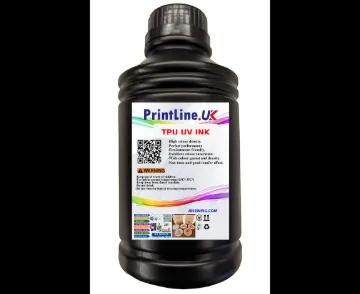
Recommended transfer settings: 155°C, 12 seconds, LIGHT PRESSURE. Adjust slightly depending on garment fabric and TPU film specification. For polyester or delicate garments, lower heat is often used to reduce scorch risk.